Grow Beautiful Coneflowers And Vegetables Together
Grow Beautiful Coneflowers and Vegetables Together
Coneflowers are a beautiful and versatile addition to any garden. They come in a variety of colors, including purple, pink, yellow, and white, and they bloom for a long period of time, from early summer to late fall. In addition to their beauty, coneflowers are also beneficial to the garden. They attract pollinators, such as bees and butterflies, and they help to deter pests.
If you're looking for a way to add beauty and functionality to your garden, consider growing coneflowers alongside vegetables. This is a great way to attract pollinators, improve the health of your vegetables, and create a more visually appealing garden.
Here are some tips for growing coneflowers and vegetables together:
- Choose vegetables that have similar growing requirements to coneflowers. For example, both coneflowers and tomatoes prefer full sun and well-drained soil.
- Plant coneflowers in between your vegetable plants. This will help to deter pests and attract pollinators.
- Water your coneflowers and vegetables regularly, especially during hot, dry weather.
- Fertilize your coneflowers and vegetables with a balanced fertilizer.
- Deadhead your coneflowers regularly to encourage new blooms.
Here are some of the best vegetables to grow with coneflowers:
- Tomatoes
- Broccoli
- Cauliflower
- Cabbage
- Eggplant
- Peppers
- Squash
- Beans
- Peas
Growing coneflowers and vegetables together is a great way to create a beautiful, productive garden. By following these tips, you can enjoy the benefits of both plants for many years to come.
[MAIN CONTENT]
Benefits of Growing Coneflowers and Vegetables Together
There are many benefits to growing coneflowers and vegetables together. Here are a few of the most notable:
- Attract pollinators: Coneflowers are a magnet for pollinators, such as bees and butterflies. These beneficial insects help to pollinate your vegetables, which can lead to a better crop yield.
- Improve the health of your vegetables: Coneflowers can help to improve the health of your vegetables by deterring pests and diseases. For example, the coneflower's spiky leaves help to discourage rabbits and deer from eating your vegetables.
- Create a more visually appealing garden: Coneflowers come in a variety of colors, so you can choose varieties that will complement the colors of your vegetables. This can help to create a more visually appealing garden.
How to Plant Coneflowers and Vegetables Together
When planting coneflowers and vegetables together, there are a few things you'll need to keep in mind. First, make sure that the vegetables you choose have similar growing requirements to coneflowers. For example, both coneflowers and tomatoes prefer full sun and well-drained soil.
Second, plant the coneflowers in between your vegetable plants. This will help to deter pests and attract pollinators. The coneflowers will also help to shade the roots of your vegetables, which can help to prevent them from drying out.
Finally, water your coneflowers and vegetables regularly, especially during hot, dry weather. You may also need to fertilize your plants occasionally.
Caring for Coneflowers and Vegetables
Once your coneflowers and vegetables are planted, it's important to care for them properly. This includes watering them regularly, fertilizing them occasionally, and weeding the area around them.
You'll also need to deadhead your coneflowers regularly. This means removing the spent flowers to encourage new blooms. Deadheading is a simple process that can be done with a pair of scissors or shears.
Harvesting Coneflowers and Vegetables
When your coneflowers and vegetables are ready to harvest, be sure to do so carefully. Coneflowers can be harvested by cutting the flower head off of the stem. Vegetables should be harvested when they are ripe.
Conclusion
Growing coneflowers and vegetables together is a great way to create a beautiful, productive garden. By following these tips, you can enjoy the benefits of both plants for many years to come.
Coneflowers are beautiful and versatile plants that can add a touch of color and interest to any garden. They're also relatively easy to care for, making them a great choice for beginner gardeners.
One of the best things about coneflowers is that they can be companion planted with a variety of other plants, including vegetables. This can help to attract pollinators, deter pests, and improve the overall health of your garden.
If you're looking for some ideas for coneflower companion plants, I recommend checking out Gardenia Inspiration. This website has a comprehensive list of plants that can be grown alongside coneflowers, including vegetables, flowers, and herbs.
In addition to providing information about companion planting, Gardenia Inspiration also has a wealth of other resources on gardening, including plant profiles, growing guides, and recipes. So whether you're a seasoned gardener or just getting started, I highly recommend checking out this website.
FAQ of coneflower companion plants vegetables
Q: What are some good companion plants for coneflowers?
A: Coneflowers are a great addition to any garden, and they can be companion planted with a variety of other plants. Some good options include:
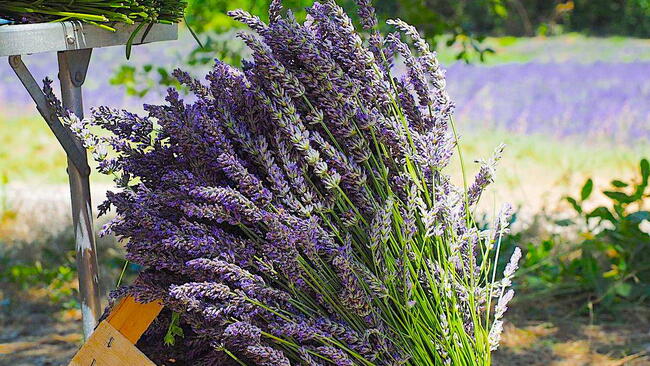
- Lavender: Lavender is a fragrant herb that repels pests, such as mosquitoes and flies. It also attracts pollinators, such as bees and butterflies.
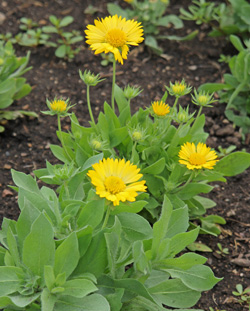
- Gaillardia: Gaillardia, also known as blanket flower, is a colorful wildflower that attracts pollinators. It also helps to deter rabbits and deer.
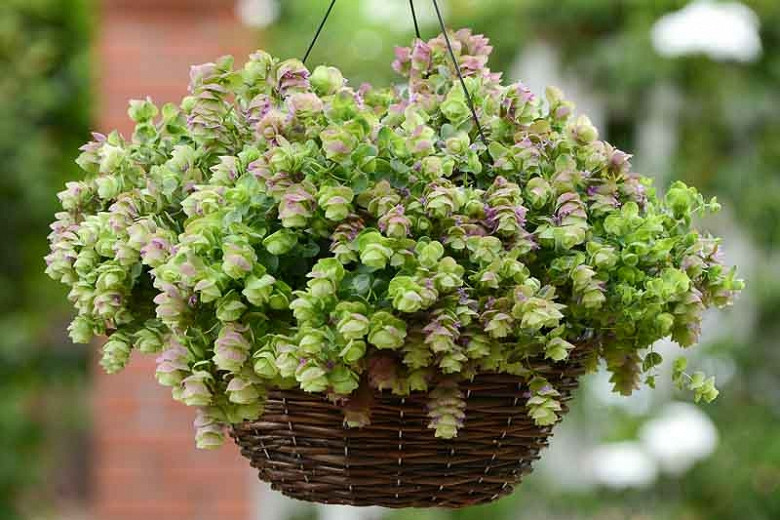
- Ornamental oregano: Ornamental oregano is a drought-tolerant herb that can help to attract pollinators. It also helps to deter pests, such as cabbage moths.
- Goldenrod: Goldenrod is a tall, flowering plant that attracts pollinators. It also helps to deter deer and rabbits.
- Sedum: Sedum, also known as stonecrop, is a succulent plant that is drought-tolerant and low-maintenance. It helps to attract pollinators and deter pests.

Q: What vegetables can I plant with coneflowers?
A: Coneflowers can be planted with a variety of vegetables, but some good options include:
- Carrots: Carrots and coneflowers both prefer full sun and well-draining soil. They also help to deter pests, such as carrot flies.
- Cucumbers: Cucumbers and coneflowers both benefit from being planted near each other. The coneflowers help to attract pollinators, which help to pollinate the cucumbers.
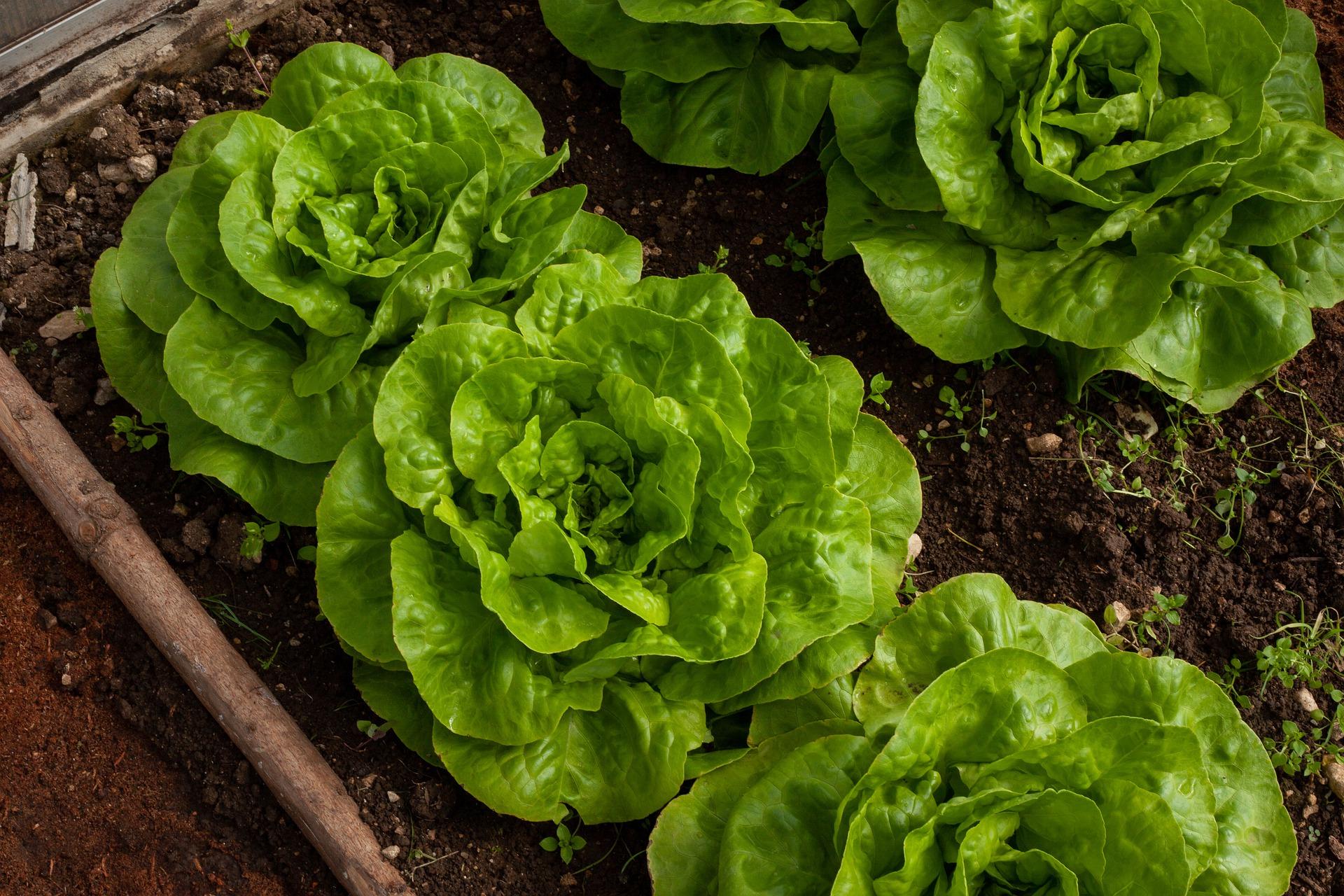
- Lettuce: Lettuce and coneflowers are both cool-season vegetables that can be planted together. They also help to deter pests, such as slugs and snails.
- Peas: Peas and coneflowers are both nitrogen-fixing plants, which means that they help to enrich the soil. They also help to attract pollinators.
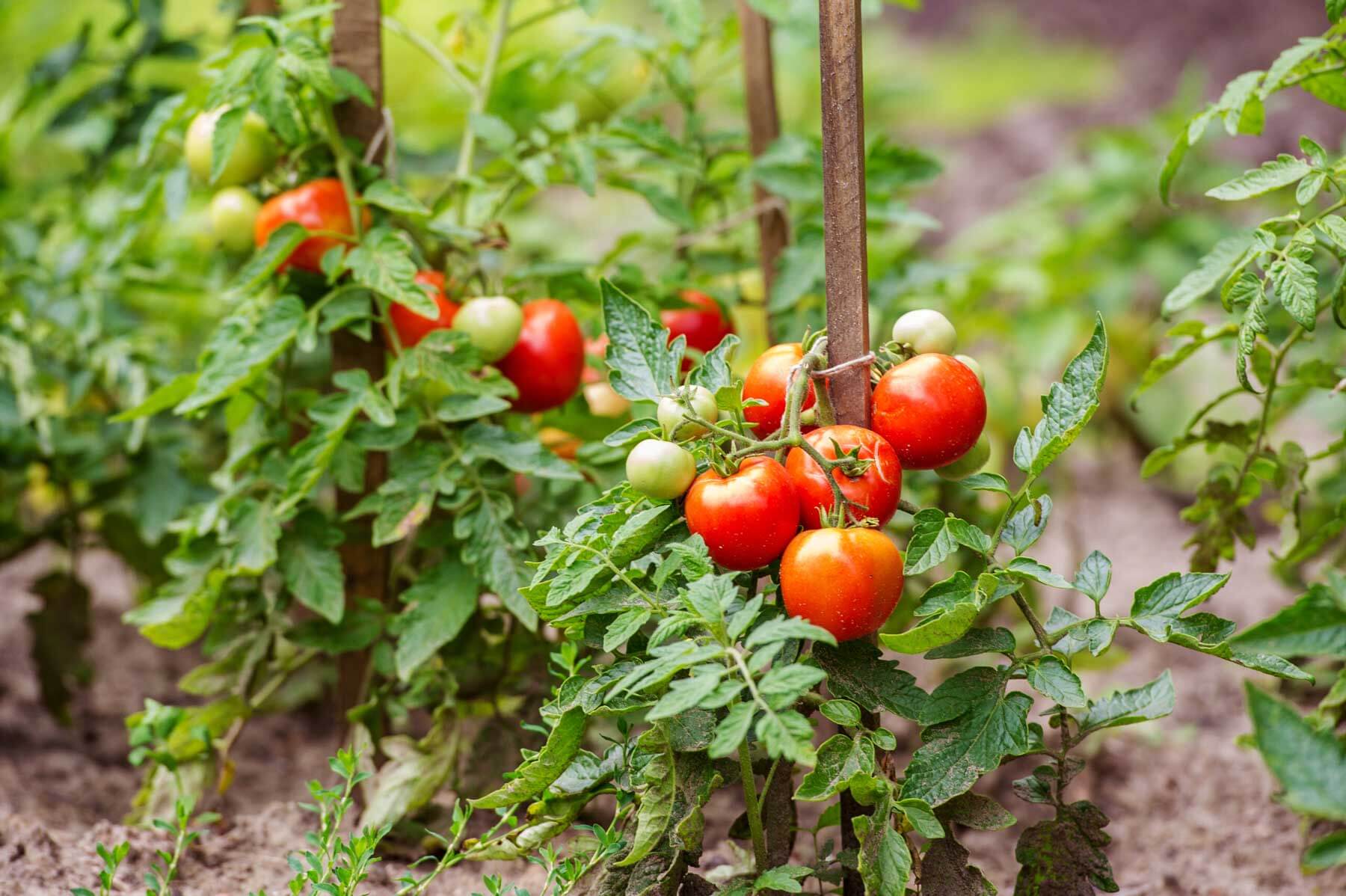
- Tomatoes: Tomatoes and coneflowers can be planted together, but it is important to plant them far enough apart so that the tomatoes do not shade the coneflowers.
Q: What are the benefits of companion planting coneflowers with vegetables?
A: There are many benefits to companion planting coneflowers with vegetables. Some of these benefits include:
- Attracting pollinators: Coneflowers attract pollinators, such as bees and butterflies. These pollinators help to pollinate the vegetables, which leads to a better harvest.
- Deterring pests: Coneflowers can help to deter pests, such as rabbits, deer, and insects. This can help to protect your vegetables from damage.
- Enriching the soil: Coneflowers are nitrogen-fixing plants, which means that they help to enrich the soil. This can benefit the vegetables and improve their growth.
- Creating a beautiful garden: Coneflowers are beautiful flowers that can add color and interest to your garden. They can also help to attract butterflies and other wildlife.
Q: How do I plant coneflowers with vegetables?
A: When planting coneflowers with vegetables, it is important to consider the following factors:
- Sun exposure: Coneflowers and vegetables both need full sun. Make sure to plant them in an area that gets at least 6 hours of sunlight each day.
- Soil type: Coneflowers and vegetables prefer well-draining soil. If your soil is not well-draining, you may need to amend it with compost or sand.
- Plant spacing: Coneflowers and vegetables need enough space to grow. Be sure to plant them far enough apart so that they do not crowd each other.

Post a Comment for "Grow Beautiful Coneflowers And Vegetables Together"